
A Conversation with Edward Bowers
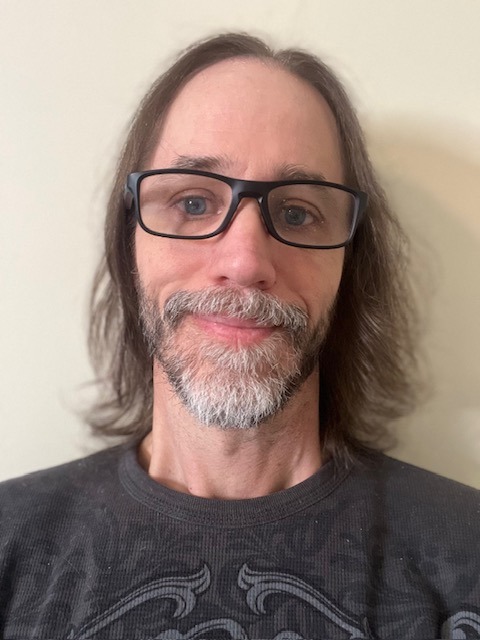
Q: For readers discovering you for the first time, who is Edward Bowers?
My name is Edward Bowers, and I’m an independent author and the founder of Bowers Ink Publishing. I write across several genres, including psychological thrillers, horror, self-help, and stories written simply for children to enjoy.
Many readers discover my work through the 86 Saga, a series that explores psychological tension, difficult choices, and the darker side of human nature. Those types of stories tend to draw me in as a writer because they allow me to explore how people react when they’re pushed into situations that challenge who they are.
Alongside those darker and more suspenseful stories, I also write books meant to encourage reflection and growth, as well as imaginative stories for younger readers. Writing in different spaces allows me to explore different sides of storytelling — from deep psychological conflict to simple stories meant to spark curiosity and enjoyment.
Beyond writing my own books, I founded Bowers Ink Publishing to help support independent authors and give them a place where their work can be seen and discovered by new readers.
Q: When did storytelling first become a part of your life? Was there a moment you realized writing was something you needed to pursue?
Storytelling has been part of my life for as long as I can remember. Even as a kid I was the one telling wild stories and coming up with different scenarios just to see where they could go. By the time I reached high school, that creativity started to take a more structured form. I took theater and drama classes where I helped write scripts for plays and performed on stage with my classmates. That experience showed me how powerful storytelling could be when it connects with people.
Years later, my second wife encouraged me to write a book about my life. That book was called FML. It was a deeply personal project and reflected a lot of the struggles and experiences I had gone through at that point in my life. The book is no longer available, but writing it changed something for me. That was when I caught the writing bug.
Not long after that, I wrote Would You Marry You?, a self-help book aimed primarily at men struggling with self-hate, feelings of worthlessness, or even suicidal thoughts. It wasn’t meant to be a strict step-by-step guide, but more of a starting point — a map of the steps I personally took that helped me reach a healthier place mentally and emotionally.
I started talking about the book on TikTok of all places, and the response surprised me. More and more people began sharing how the message helped them through difficult periods in their lives. Many women even told me it helped them understand their husbands better or improved their marriages.
After that, I started revisiting stories I had written years earlier that no one had ever seen. I began finishing them, turning them into full novels, and that’s really how I stepped fully into the world of fiction writing.
Q: Your books span psychological thrillers, horror, self-help, and even stories for children. What draws you to writing in such different spaces?
For me, storytelling has never been about staying inside one lane. Different ideas call for different kinds of stories, and I’ve always followed those ideas wherever they naturally lead.
Much of my fiction leans toward psychological tension and darker themes. The 86 Saga, for example, explores a disturbing question: what if some of the battles people experience mentally and emotionally weren’t just internal struggles? What if there was something darker influencing those thoughts and actions? The series plays with that idea and turns mental health into something far more tangible and dangerous than most people would expect.
At the same time, I’ve also written books meant to help people in a more direct way. My self-help book Would You Marry You? came from a very personal place. It was written for people struggling with self-hate, feelings of worthlessness, or believing they have no real value. The goal of the book wasn’t to present a rigid step-by-step program, but to offer a starting point and share the mindset changes that helped me move toward a healthier place in my own life.
Writing for younger readers came from a very different and very personal moment. One day during a phone call, my youngest son told me I needed to stop writing “spooky stories.” When I asked him what I should write instead, he immediately began crafting a story in his head. That idea eventually became Confusing Teleportation. He was eight years old at the time and insisted that I finish the book quickly so it could be published on his ninth birthday. He also made it clear that when it was finished, I needed to buy him a copy and sign it for him.
That experience opened the door for writing stories meant simply for younger readers to enjoy, including books like The Sandwich That Wouldn’t Sit Still. Moments like that remind me that storytelling doesn’t belong to just one genre. Sometimes the most meaningful stories come from the people closest to us and the moments you never expected to turn into a book.
Q: Tell us about the book or series you’re currently promoting. What is it about?
Right now the series most readers are discovering is the 86 Saga. The idea behind the series came from a question that kept sitting in the back of my mind: what if the darker thoughts and struggles people face mentally weren’t always just psychological? What if something external could influence those emotions and decisions?
The 86 Saga explores that concept by treating mental health and internal darkness as something that could potentially have a more tangible and dangerous presence behind it. The story gradually pulls readers into a world where the line between psychological struggle and something far more sinister begins to blur.
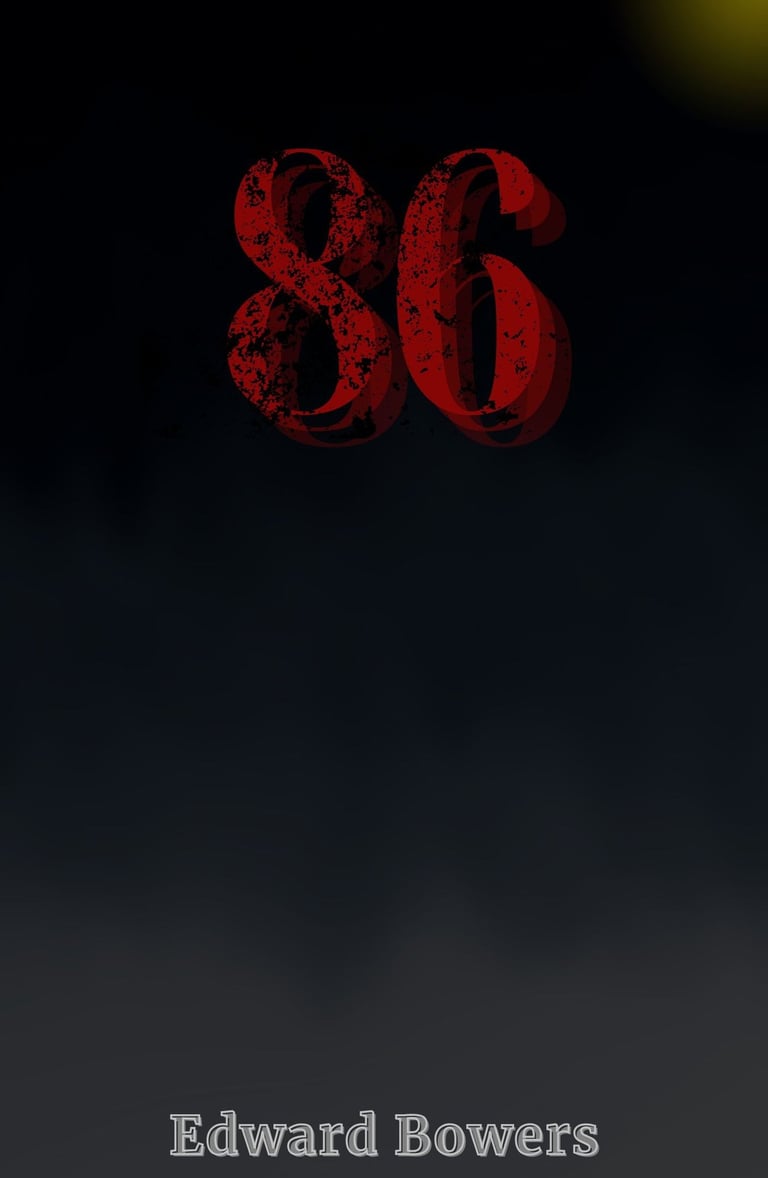
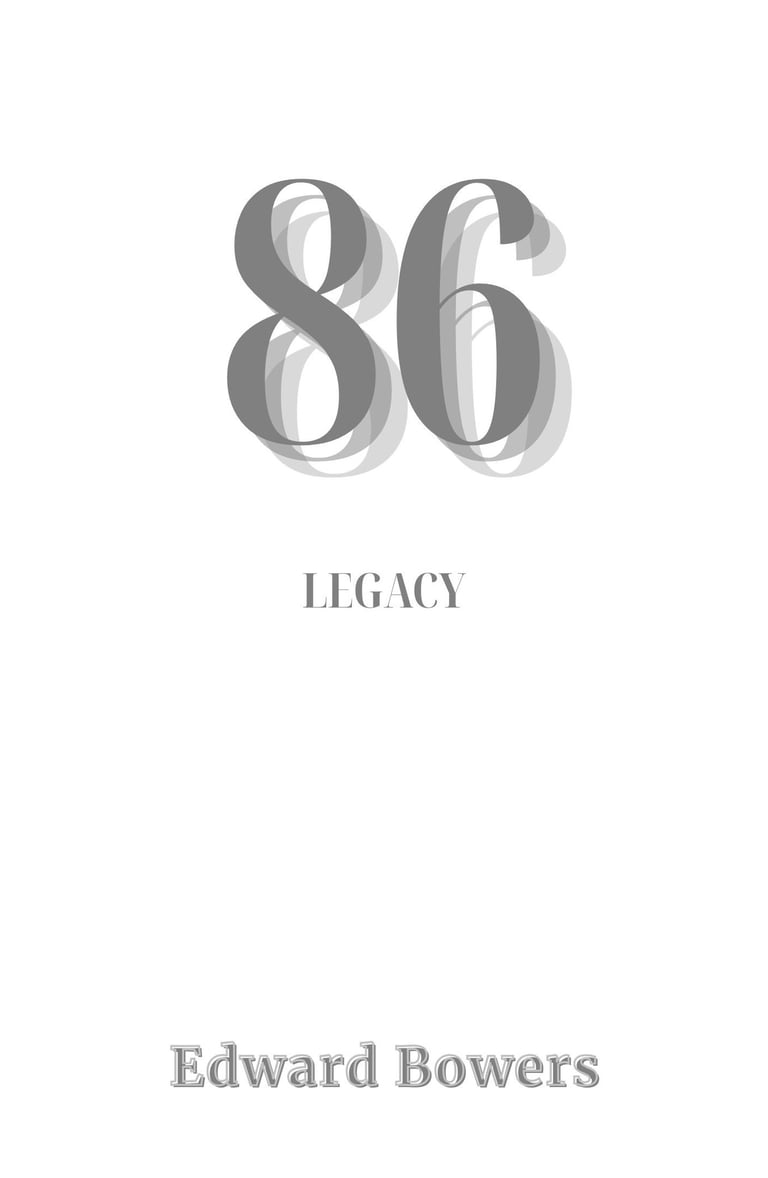
The series currently includes 86, 86: Origins, and 86: Legacy. Each book expands the story and reveals more about the forces operating behind the scenes. While the series can be intense and unsettling at times, it is ultimately meant to explore the nature of influence, control, and the choices people make when they are confronted with something they don’t fully understand.
The fourth book in the series is currently scheduled for release in October of 2026 and will continue expanding the story and the world that has been building across the earlier books.
Q: What inspired the idea behind that story?
Like a lot of people, I struggled with things in my past that many people deal with but don’t always talk about openly—self-worth, self-love, and feeling like your own mind is working against you. When you’re in that place, it can feel like something you can’t control. It’s not always as simple as someone telling you to “think positive” or “just be stronger.”
Growing up and even into adulthood, I was often looked down on or picked on for those struggles. Instead of people trying to understand what was really going on, the response was usually dismissal or judgment. That experience stuck with me.
I also know a lot of people who carry similar battles, and one of the most common things I hear is that others simply don’t understand what they’re going through.
The idea behind the 86 Saga came from wanting to explore that struggle in a different way. Instead of treating those thoughts as just internal problems, I started asking a darker question: what if that battle felt so overwhelming because something external was influencing it?
At the same time, I didn’t want the story to just be dark for the sake of being dark. I wanted readers to connect with the characters and see examples of people who actually stand beside someone who is struggling. That’s where characters like Maggie come in. Maggie doesn’t just throw motivational words at Ash or pretend everything will magically fix itself. She stands beside him, works through the chaos with him, and helps him face what’s happening.
In a lot of ways, that’s what I hope the story represents—being there for someone instead of just telling them what they should feel or how they should fix themselves.
Q: Which character you’ve written feels the most real or meaningful to you, and why?
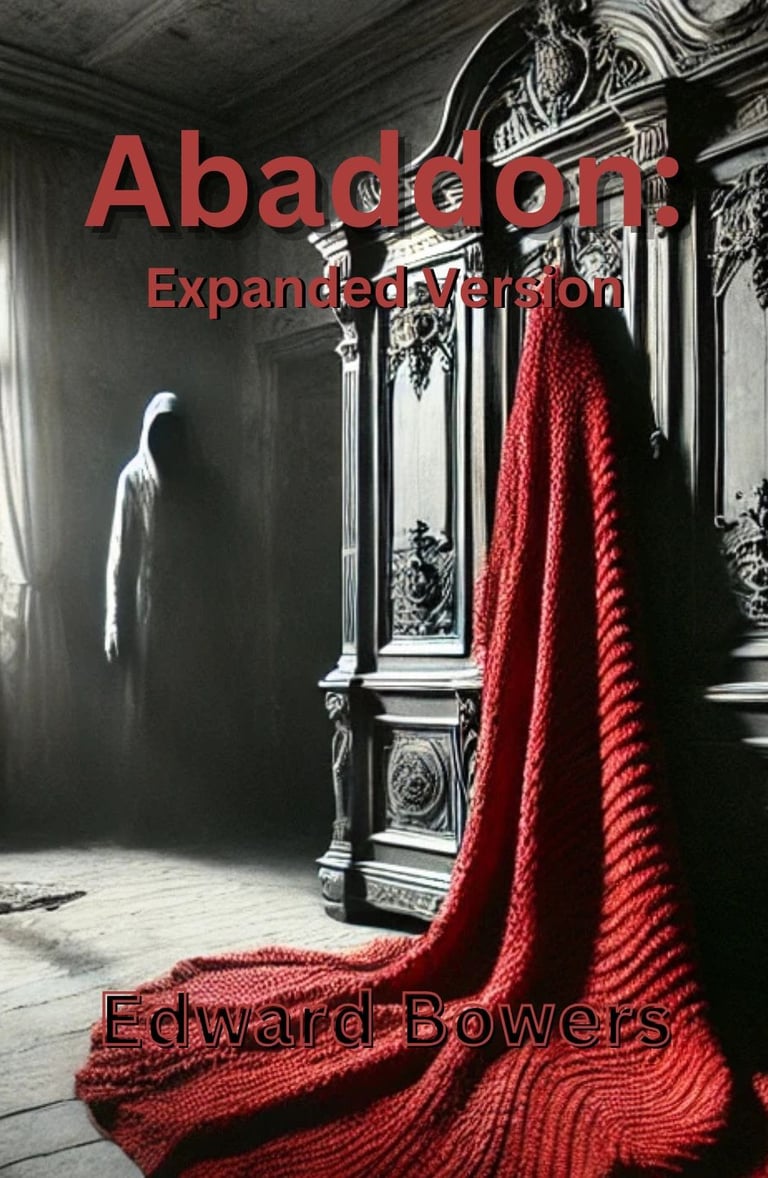
Two characters stand out to me for very different reasons: Ash from the 86 Saga and John from Abbadon.
Ash is meaningful to me because he represents the internal battles that many people face but rarely talk about openly. He struggles with doubt, fear, and the weight of things that feel bigger than he can handle. Writing Ash allowed me to explore those struggles in a way that felt honest rather than pretending those feelings don’t exist. His journey is about confronting the darkness around him while also trying to understand what’s happening inside his own mind.
John from Abbadon resonates with me in a different way. His story shows what a man is willing to do for the love of his life — even if it means walking through heaven and hell to get her back. His journey is driven by love, sacrifice, and the willingness to face unimaginable challenges for someone he cares about. And in the end, even after everything he goes through, she still leaves him.
That kind of story explores a very real side of human experience: the things people are willing to endure for love, even when the outcome isn’t what they hoped for.
Both characters feel real to me because they aren’t perfect heroes. They struggle, they question themselves, and they face situations that force them to confront who they truly are. Those are the kinds of characters I enjoy writing the most.
Q: What does your writing process usually look like when you sit down to work on a book?
My writing process is honestly a bit all over the place. Sometimes I’ll sit down and build a structured outline before I begin writing. Other times I’ll start with an idea or a scene and just let the words flow to see where the story wants to go.
One thing that is always consistent, though, is music. I almost always write with headphones on and music blasting in my ears. For me, music becomes part of the storytelling process. It helps set the tone of a scene, the emotional weight of a moment, and even the pacing of the writing.
In many ways, the soundtrack helps shape the rhythm of the story. The beat, the emotion, and the intensity of the music can influence the cadence of the words on the page. Certain scenes end up tied to specific songs or sounds, and that energy finds its way into the writing.
So while my process might shift between outlining and discovery writing, the one thing that almost never changes is that the music is always there helping tell the story with me.
Q: What is the most challenging part of being an independent author?
Marketing. Without question, marketing has been the hardest part for me.
Writing the book is the part most authors love. Creating the story, building the characters, and watching the world come together on the page is the reason we started writing in the first place. But once the book is finished, the real challenge begins — getting people to discover that it exists.
For many independent authors, it can feel like shouting into the void. You can write a great story, pour your time and energy into it, and still struggle to get it in front of readers simply because the visibility isn’t there.
That challenge is actually one of the reasons I created Bowers Ink Publishing. The idea behind Bowers Ink is to bring independent authors together so we’re not trying to do everything alone. Instead of competing against each other for attention, we link arms, support one another, and help amplify each other’s voices.
Together we can make more noise, reach more readers, and give independent authors the exposure their stories deserve.
Q: If someone is discovering your work for the first time, which book should they start with?
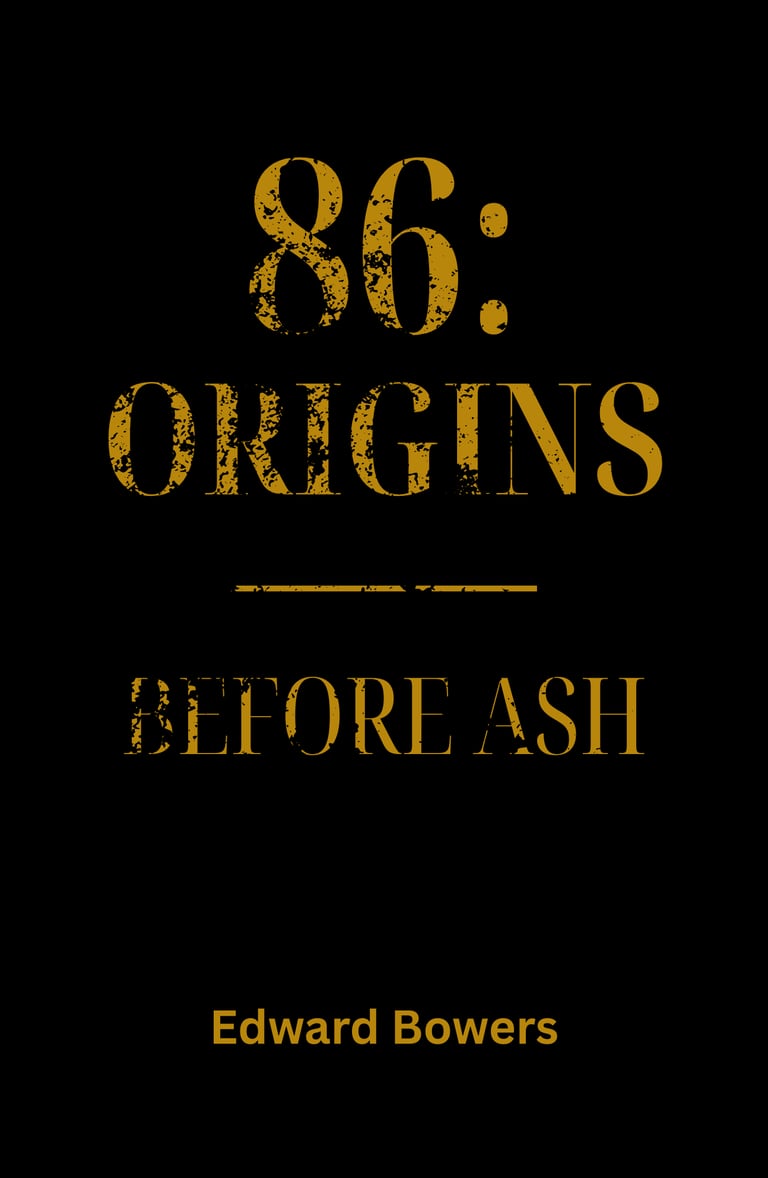
A great place to start would be 86: Origins. It serves as an entry point into the world that connects many of my stories and helps set the stage for what unfolds later in the 86 Saga.
That said, I’ve tried to build my books in a way where readers don’t necessarily have to follow a strict order. Many of the stories exist within the same universe, but they’re written so someone can pick up a book and step into the story without feeling lost.
My books for younger readers live completely outside of that universe. Stories like Confusing Teleportation or The Sandwich That Wouldn’t Sit Still are meant to simply be fun and imaginative reads for kids, and they can be picked up in any order.
The same idea applies to my self-help books. Titles like Would You Marry You? are meant to act more like road maps than rulebooks. They’re there to help people take small steps toward becoming a better version of themselves today than they were yesterday.
So while 86: Origins is a strong place to begin, readers are really free to start wherever their curiosity takes them.
Q: What do you hope readers take away from your books?
Answer
More than anything, I hope readers walk away feeling something. Whether it’s tension, curiosity, reflection, or even a new perspective on something they hadn’t thought about before, a story should leave an impression.
With my darker fiction like the 86 Saga, I want readers to question the nature of influence, the choices people make, and how easily life can change when something unknown enters the picture.
With my self-help books, the goal is different. Those are meant to help people take small steps toward becoming a better version of themselves than they were the day before.
And with my books for younger readers, the hope is much simpler: that kids enjoy the story, laugh a little, and maybe even start imagining stories of their own.
At the end of the day, storytelling is about connection. If a reader closes one of my books and feels like the story stayed with them for a while, then I’ve done my job as a writer.
Explore the Books of Edward Bowers
About Bowers Ink Publishing
Bowers Ink Publishing is a curated network of independent authors working together to increase visibility, connect with readers, and support one another in the independent publishing world.